The method that transforms the potential of a place into real value.
In real estate, some projects begin from a plot of land or an existing building. Yet without a clear vision guiding the process, that asset holds little real value.
Between intuition and realization there is a space made of analysis, strategy, design sensitivity, and the ability to coordinate diverse expertise. It is precisely within this space that The Seta Way takes shape: the method through which Seta interprets places and guides them through their process of transformation.
It is not simply about developing real estate. It is about imagining what a place can become.
Seta was born in the Real Estate sector, but today operates within a broader system that brings together investment, development, architecture, and the creation of project identity.
An approach that allows the territory to be read not only for what it is, but for the potential it can express over time.
Every project begins before the project itself
Before drawing a line, there is always a moment of listening. The Seta Way begins here: with the strategic reading of a territory.
Analyzing a micro-location means observing what often remains invisible: urban flows, social dynamics, economic transformations, and the cultural identity of a place.
These are the elements that determine the future of a project far more than its simple location.
This is why operations within the same context can generate completely different results. Because each project is not replicated, but interpreted.
The goal is not simply to build a space. It is to understand what kind of life that space will generate.
The first level of the method, therefore, is opportunity.
Identifying places where real estate investment can become something broader: a destination, a new urban balance, a project capable of creating lasting value. From the initial intuition to the development of the operation, every choice is guided by a precise entrepreneurial vision. A vision that considers the project not as a single intervention, but as part of a wider system: economic, social, and territorial.
When strategy identifies potential, architecture makes it tangible.
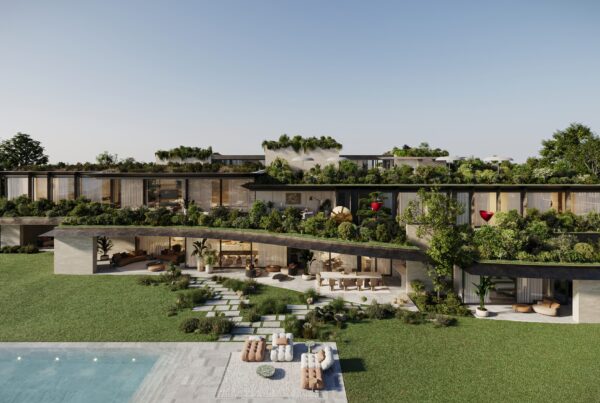
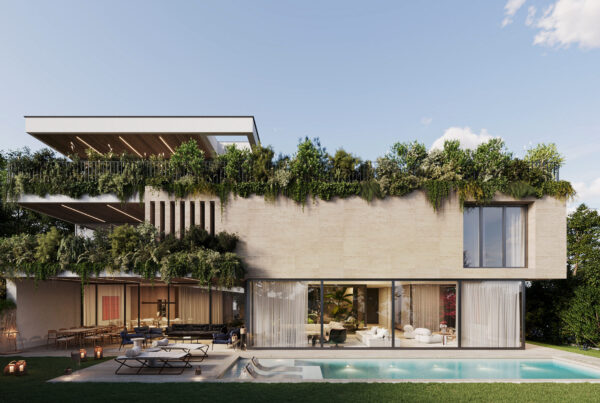
Within the Seta method, architectural design is never an isolated gesture. It is the instrument through which vision takes form.
Every intervention is conceived to dialogue with its context: with the landscape, with the urban scale, and with the identity of the place.
This means avoiding standardized solutions and instead working with proportion, spatial quality, and aesthetic coherence.
Architecture thus becomes a language capable of translating strategy into everyday experience.
The identity of a place
A place does not communicate only through its form. It communicates through matter, light, atmosphere, and the way it is perceived.
For this reason, another dimension enters the Seta method: Mood.
Materials, aesthetics, storytelling, and positioning become integral parts of the project. Not simple decorative elements, but tools through which a space builds its own identity.
The result is not just a building. It is a recognizable experience, capable of enduring over time.
The final phase of the method ensures coherence between vision and outcome.
Seta directly follows every operational stage: from project development to construction, coordinating processes, partners, and timelines.
This direct oversight allows one fundamental principle to remain intact: the continuity between the initial idea and the built project.
Because quality does not happen by chance. It emerges from the precision with which every step is managed.
One single path
Real estate. Architecture. Mood. Project management.
Within the Seta method, these competencies are not separate compartments. They are parts of a single system that constantly interacts.
From the first intuition to the final realization, every project moves through different areas of expertise but follows a single direction.
The one that allows a piece of land to become a place. An idea to become a project. And a project to become value.
Ultimately, this is the meaning of The Seta Way.
Not simply developing spaces, but creating places capable of evolving over time.